What’s Real, What’s Risky & What to Do Instead
Social media makes skincare look simple—but your skin is not a one-size-fits-all product. Viral advice rarely considers skin type, ingredient strength, inflammation risk, or long‑term damage. This guide breaks down popular trends in clear, beginner‑friendly language and explains why professional guidance matters.
1. Slugging: Helpful Hydration or Barrier Disaster?
The Trend:
Applying thick petrolatum (like Vaseline) over the entire face to “seal in moisture.”
What It Actually Does:
Slugging creates a waterproof seal on the skin. This prevents moisture from escaping—BUT it also traps oil, sweat, heat, bacteria, and product residue underneath.
Great for:
– Severely dry, flaking, compromised skin
– Post-procedure barrier recovery
– Eczema-prone skin
Terrible for:
– Oily or acne-prone skin
– Congested pores
– People using retinol, acids, or benzoyl peroxide (can trap irritation underneath)
– Sweaty sleepers (occlusion + heat = breakouts)
Professional PCA SKIN Alternatives:
These give all the moisture without the risks:
– PCA SKIN ReBalance – calming hydration for sensitized or post-treatment skin.
– PCA SKIN Collagen Hydrator – rich moisture with botanicals that support elasticity.
– PCA SKIN Hyaluronic Acid Boosting Serum – deep, multi‑level hydration that strengthens the barrier.
2. Toner Ice Cubes
The Trend:
Freezing toner into ice cubes and rubbing them over the skin.
The Truth:
Cold reduces puffiness, but freezing toner does NOT:
– Shrink pores
– Tighten skin long‑term
– Improve ingredient performance
Risks:
– Cold burns
– Worsening rosacea
– Increased irritation
– Fragile capillaries becoming damaged
Safe Alternative:
Cooling globes or lymphatic drainage—professional, controlled, and safe.
3. Skin Cycling — The Trend That Can Work (If Done Properly)
The Trend:
Rotating exfoliation, retinol, and recovery nights in a 4‑night cycle.
Purpose:
Prevent irritation, protect the barrier, and simplify active routines.
Professional PCA Skin Cycling Plan:
Skin Type: Combination
Concerns: Dullness, uneven texture, early fine lines
Night 1 — Exfoliation
Products: PCA Daily Exfoliant or Detoxifying Pore Treatment
Benefits: Clears buildup and brightens skin.
Night 2 — Retinol
Products: PCA Retinol Treatment for Beginners or Intensive Clarity
Benefits: Boosts cell turnover, smooths lines, fades discoloration.
Night 3 — Recovery
Products: PCA Hyaluronic Acid Boosting Serum + ReBalance
Benefits: Hydrates, restores, and calms the skin.
Night 4 — Nourishment
Products: PCA Collagen Hydrator or Overnight Lipid Booster
Benefits: Strengthens the barrier and locks in moisture.
Clinic Enhancements:
– Chemical Peels – boost turnover and clearing.
– LED Therapy – calms inflammation, supports collagen.
– Dermaplaning – removes buildup so actives penetrate deeper.
4. DIY Masks
Household ingredients disrupt pH, irritate skin, or introduce bacteria. Not worth the risk.
Professional Alternative:
Enzyme masks + customized facials using balanced and stable formulas.
5. Viral Instant-Fix Tools
Pore vacuums, peel-off masks, and “tightening” serums often cause more harm than good.
Safe Alternative:
Professional extractions, microdermabrasion, LED, and chemical peels.
Encouragement
Healthy skin isn’t built on trends. It’s built on balance—supported by consistency, expertise, and personalized care.


Chemical Peels for Hyperpigmentation in Melanin-Rich Skin: What to Know
Med Spa Near Me in Baltimore County: How to Match Your Goals to the Right Treatment
$9 Botox in Baltimore County: What Per-Unit Pricing Really Means
Searching for Botox Near Me? Discover Xeomin in Timonium and Baltimore County
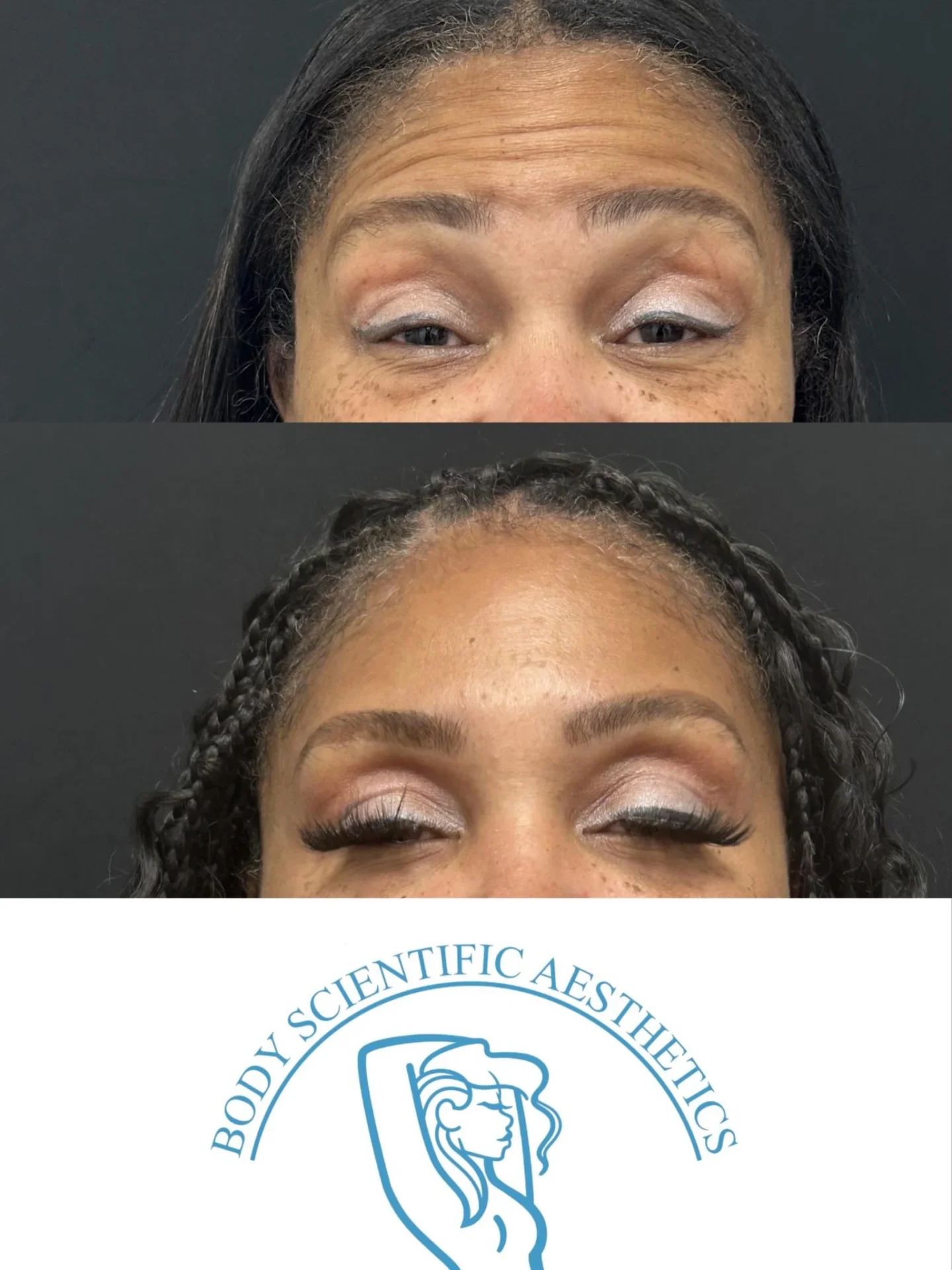
Wrinkle Prevention in Towson and Baltimore: Help Stop Wrinkles Before They Deepen
Neuromodulator Resistance and Botox in Timonium, Baltimore County
What to Expect from a Botox Consultation in Baltimore County, MD
Botox in Timonium & Baltimore County, MD: Natural-Looking Results at Body Scientific Aesthetics
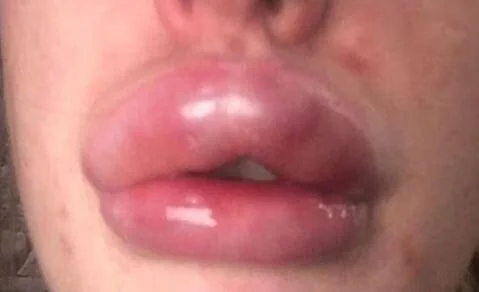
Duck Lips & Overfilled Trends: A Baltimore City Lip Filler Reality Check