Dark spots can linger long after acne, irritation, inflammation, or other skin concerns have resolved. For people with darker skin tones, that discoloration can be especially persistent. Chemical peels for hyperpigmentation may help improve the appearance of uneven tone and dark spots, but choosing the right peel matters—especially for melanin-rich skin.
At Body Scientific Aesthetics in Timonium, Maryland, chemical peel treatments are customized according to your skin tone, sensitivity, current skin condition, and treatment goals. The goal is not to choose the strongest peel possible. Instead, it is to select an appropriate treatment that promotes more even-looking skin while minimizing unnecessary irritation.
Quick Answer: Can Chemical Peels Help Hyperpigmentation?
Yes. Professional chemical peels can be used to improve the appearance of certain types of hyperpigmentation by creating controlled exfoliation and encouraging the removal of damaged surface skin cells.
The American Academy of Dermatology notes that people with skin of color can receive chemical peels, but experience with darker skin tones is particularly important because inappropriate treatment can cause pigment changes.
For melanin-rich skin, stronger is not automatically better. Peel selection, treatment intensity, skin preparation, aftercare, and the cause of the discoloration all matter.
Why Does Hyperpigmentation Behave Differently in Melanin-Rich Skin?
Melanin gives skin its color and helps protect it from ultraviolet radiation. However, inflammation or injury can sometimes stimulate excess pigment production.
This can produce post-inflammatory hyperpigmentation, often called PIH.
PIH may appear after:
- Acne and breakouts
- Picking or squeezing blemishes
- Skin irritation
- Eczema or inflammatory skin conditions
- Cuts or other injuries
- Certain cosmetic procedures
- Excessive or poorly controlled exfoliation
Post-inflammatory hyperpigmentation can affect any skin tone, but it tends to be more noticeable and persistent in darker complexions.
That is one reason a thoughtful approach to treatment matters. Overly aggressive treatment can create more inflammation—and additional inflammation can worsen the very discoloration someone is trying to improve.
A recent review of chemical peels in skin of color published through PubMed reinforces the importance of careful treatment selection because pigmentary complications can be a greater concern in darker skin tones.
How Do Chemical Peels for Hyperpigmentation Work?
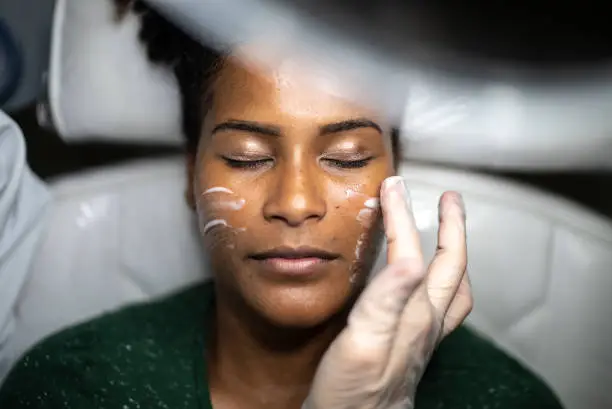
A professional chemical peel applies a carefully selected solution to the skin to create controlled exfoliation.
As superficial damaged cells are shed, the skin can gradually develop a brighter and more even appearance. Chemical peels may also help address other concerns that often accompany discoloration, such as acne, congestion, rough texture, and signs of sun exposure.
The key word is controlled.
Professional treatment is very different from aggressively exfoliating the skin at home. More peeling does not necessarily mean a better result.
In fact, when hyperpigmentation is the concern, unnecessary irritation can be counterproductive.
Are Chemical Peels Safe for Black and Brown Skin?
Chemical peels can be appropriate for Black and Brown skin, but treatment should be individualized.
Skin color alone does not determine which treatment someone should receive. A proper consultation should also consider sensitivity, current inflammation, acne activity, previous reactions to skincare products or procedures, medications, sun exposure, existing skincare products, and the type of pigmentation being treated.
The American Academy of Dermatology specifically emphasizes the importance of expertise with chemical peels in darker skin because inappropriate treatment may lead to unwanted pigment changes.
Therefore, the question should not simply be:
“Can darker skin have a chemical peel?”
A better question is:
“Which peel, at which intensity, is appropriate for my particular skin?”
That distinction is especially important when treating hyperpigmentation.
Which Chemical Peels Does Body Scientific Aesthetics Use for Pigmentation Concerns?
Body Scientific Aesthetics offers several professional PCA Skin chemical peel options. The appropriate treatment depends on the skin concern identified during consultation.
PCA Skin Pigment Correction Peel
The Pigment Correction Peel is especially relevant when visible discoloration is the primary concern.
Body Scientific Aesthetics uses PCA Skin’s multi-acid approach to address visible pigmentation concerns including sun-related discoloration, melasma and post-inflammatory pigmentation.
PCA Skin also emphasizes that overly aggressive peeling can aggravate hyperpigmentation. Its professional guidance recommends selecting treatment according to the specific pigment concern rather than assuming that a stronger peel will create a better outcome. You can learn more about the manufacturer’s approach to hyperpigmentation and professional peels.
Bright and Even Peel
The Bright and Even Peel provides gentle resurfacing designed to improve visible brightness, uneven tone and texture.
It can be considered when the goal is overall brightening rather than aggressive resurfacing.
No Peel Peel
Not everyone who wants brighter skin wants visible peeling.
The No Peel Peel combines professional exfoliating ingredients with a gentler approach and no expected visible peeling or significant downtime. It can be useful when skin tolerance or lifestyle makes a more conservative treatment preferable.
Acne Peel
For someone whose pigmentation is related to acne, treating only the dark spots may not address the entire problem.
The Acne Peel combines professional exfoliating ingredients designed for breakout-prone skin. During consultation, the medical staff can evaluate both the active acne and the pigmentation that may remain after inflammation resolves.
Importantly, these descriptions do not mean that one particular peel is automatically appropriate for everyone with hyperpigmentation. Your skin should be evaluated first.
Hyperpigmentation vs. Melasma: They Are Not Always the Same
Not every brown spot is post-inflammatory hyperpigmentation.
Pigmentation can have different causes, and treatment should reflect the cause.
For example, melasma is a complex pigmentation disorder that can be influenced by factors such as hormones, ultraviolet exposure and visible light. Acne-related PIH develops after inflammation. Sun-related discoloration has another pattern.
That is why simply purchasing a product labeled “brightening” or choosing a peel based solely on its strength may not produce the desired result.
If pigmentation is changing, unexplained, associated with a concerning skin lesion, or potentially related to a medical skin condition, dermatologic evaluation may be appropriate before cosmetic treatment.
Chemical Peel, Facial or Microneedling: Which Is Better for Dark Spots?
There is no universal answer because these treatments do different things.
Chemical Peels
A professional chemical peel may be appropriate when discoloration and uneven surface tone are major concerns. Different formulations allow the treatment to be adjusted according to the skin and the problem being addressed.
Medical-Grade Facials
For skin that needs hydration, barrier support, gentle brightening or ongoing maintenance, one of our medical-grade PCA Skin facials may be a better starting point.
Body Scientific Aesthetics offers customized facial treatments for concerns including hyperpigmentation, sensitivity, acne, dehydration, dullness and uneven texture.
Microneedling and Microdermabrasion
When pigmentation occurs together with concerns such as texture or acne-related changes, microneedling and microdermabrasion with DermaFrac-C may also be considered.
The best treatment is not necessarily the one with the most dramatic name. It is the one that fits your skin, your goals and your tolerance for treatment and recovery.
Other Service to Compliment Your Chemical Peel
Body Scientific Aesthetics also offers a full array of facial services, including three injectable neurotoxins for wrinkle reduction, including Botox, Xeomin, and Daxxify.
Why Sun Protection Matters When Treating Hyperpigmentation
Professional treatment is only part of a successful pigment-management plan.
Sun exposure can make existing discoloration more noticeable and contribute to new pigmentation. Consistent sun protection is therefore especially important when working to improve dark spots.
The American Academy of Dermatology’s guidance for dark spots in darker skin tones emphasizes both reducing skin irritation and protecting skin from sun exposure.
After a chemical peel, follow the specific aftercare instructions provided for your skin. Generally, that means treating recently exfoliated skin gently, avoiding unnecessary irritation, using appropriate moisturization and applying sun protection consistently.
Do not pick or pull peeling skin. Allow the exfoliation process to occur naturally.
What Should Happen Before a Chemical Peel for Hyperpigmentation?
A consultation should come before treatment.
At Body Scientific Aesthetics, the consultation allows the medical staff to consider factors such as:
- Your primary pigmentation concern
- Whether active acne or inflammation is present
- Skin sensitivity and barrier condition
- Previous reactions to cosmetic treatments
- Products you currently use
- Relevant medications or medical history
- Recent sun exposure
- Previous chemical peels or resurfacing treatments
- Your tolerance for downtime
- Your expectations and treatment goals
This information helps determine whether a chemical peel makes sense and, if so, which approach is appropriate.
Medical Supervision and Safety Standards
Body Scientific Aesthetics is a nurse practitioner-led medical aesthetics practice located in Timonium, Maryland.
Heather is trained and certified in PCA Skin chemical peel and facial procedures, and consultations are designed around individualized treatment planning rather than a one-size-fits-all protocol.
This is particularly important when treating melanin-rich skin because preventing unnecessary inflammation is part of responsible pigment management.
Chemical peels are elective aesthetic treatments. Results vary from person to person, and no treatment can guarantee complete removal of hyperpigmentation. Some pigment disorders may also require evaluation or treatment beyond cosmetic skincare.
Chemical Peels for Hyperpigmentation in Baltimore, Timonium, MD, Harford County and Baltimore County, MD
Body Scientific Aesthetics is located at 20 E Timonium Rd., Suite 209, Timonium, MD 21093.
We provide professional chemical peels and advanced skincare for clients from Timonium and nearby communities including Towson, Lutherville, Cockeysville, Hunt Valley, Parkville and surrounding Baltimore County areas, as well as Baltimore City and Harford County.
Our approach is particularly well suited to clients looking for personalized, inclusive aesthetic care. Body Scientific Aesthetics is a Black woman-owned, nurse practitioner-led medical aesthetics practice committed to treating a diverse range of skin tones and concerns.
Frequently Asked Questions About Chemical Peels for Hyperpigmentation
Can a chemical peel remove dark spots completely?
Chemical peels can improve the appearance of some forms of discoloration, but results depend on the cause and depth of pigmentation, skin type, treatment selected and aftercare. Complete removal cannot be guaranteed.
Can Black skin safely receive a chemical peel?
People with darker skin tones can be candidates for chemical peels. However, careful selection and experience with melanin-rich skin are important because excessive inflammation can contribute to unwanted pigment changes.
Can a chemical peel make hyperpigmentation worse?
It is possible. Irritation or an overly aggressive procedure can contribute to post-inflammatory pigment changes, particularly in skin that is already prone to PIH. This is one reason professional evaluation and conservative treatment selection matter.
Is the strongest chemical peel the best treatment for dark spots?
No. Stronger does not automatically mean better. When treating pigmentation—especially in melanin-rich skin—the objective is controlled improvement without creating unnecessary inflammation.
Can chemical peels help post-acne dark spots?
They may help improve the appearance of post-inflammatory discoloration left after acne. However, active acne should also be addressed so that continued breakouts do not keep producing new dark spots.
What if I have both acne and hyperpigmentation?
A customized plan can address both concerns. Depending on your skin, that may involve a professional peel, an acne-focused treatment, a medical-grade facial, appropriate home skincare, or a staged combination of treatments.
How many chemical peels will I need?
There is no universal number. Treatment frequency depends on your skin condition, the peel selected, how your skin responds and your goals. Your provider should establish the treatment schedule after evaluating your skin.
Is a chemical peel better than microneedling for hyperpigmentation?
Neither treatment is automatically better. A chemical peel primarily provides controlled chemical exfoliation, while microneedling and microdermabrasion treatments can address a different combination of pigmentation and texture concerns. Consultation helps determine which approach is more appropriate.
A More Personalized Approach to Dark Spots
Hyperpigmentation is not a one-size-fits-all skin problem, and chemical peels for hyperpigmentation should not be one-size-fits-all treatments.
For melanin-rich skin in particular, thoughtful treatment selection matters as much as the treatment itself. The objective is to improve the appearance of discoloration while respecting the skin barrier and minimizing avoidable inflammation.
If dark spots, post-acne marks or uneven tone are keeping you from feeling confident in your skin, schedule a consultation with Body Scientific Aesthetics. We can evaluate your skin and discuss whether a professional chemical peel, facial, DermaFrac-C treatment or another individualized skincare approach makes sense for you.
Body Scientific Aesthetics is located at 20 E Timonium Rd., Suite 209, Timonium, MD 21093.
We have flexible payment and financing options, and we accept all major credit cards.
Body Scientific Aesthetics — where science and artistry meet to sculpt your best self.

Chemical Peels for Hyperpigmentation in Melanin-Rich Skin: What to Know
Med Spa Near Me in Baltimore County: How to Match Your Goals to the Right Treatment
$9 Botox in Baltimore County: What Per-Unit Pricing Really Means
Searching for Botox Near Me? Discover Xeomin in Timonium and Baltimore County
Wrinkle Prevention in Towson and Baltimore: Help Stop Wrinkles Before They Deepen
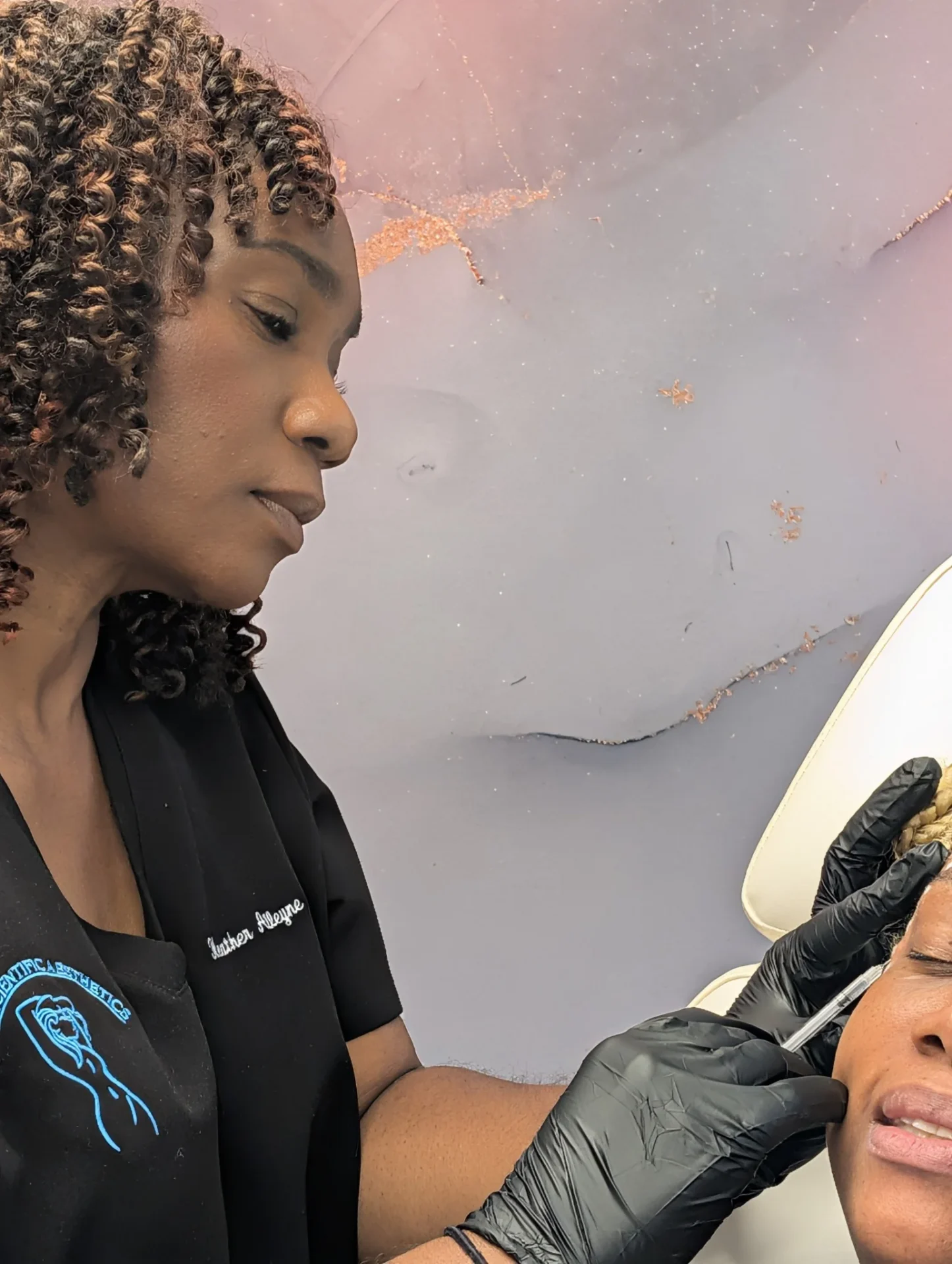
Neuromodulator Resistance and Botox in Timonium, Baltimore County
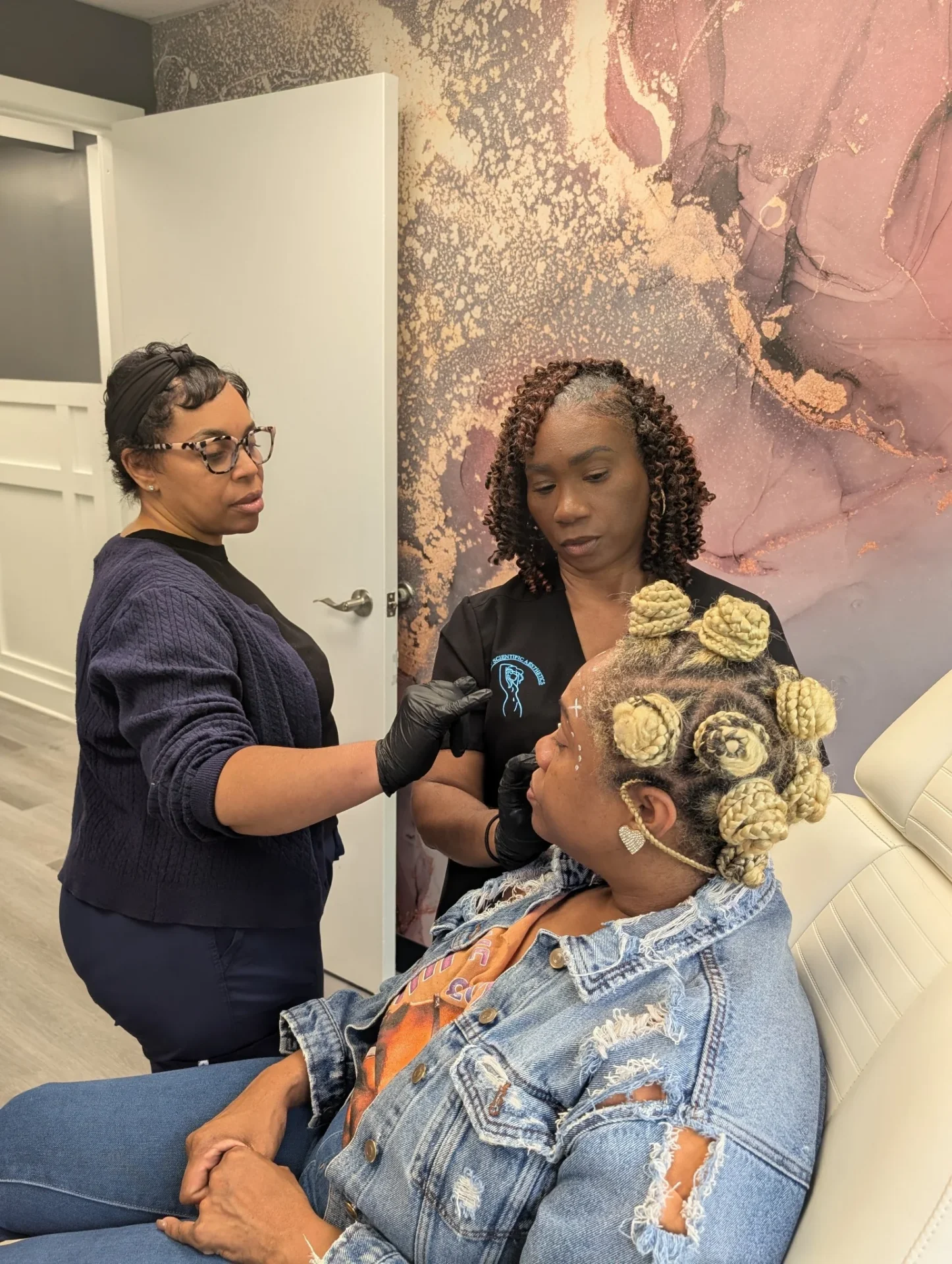
What to Expect from a Botox Consultation in Baltimore County, MD
Botox in Timonium & Baltimore County, MD: Natural-Looking Results at Body Scientific Aesthetics
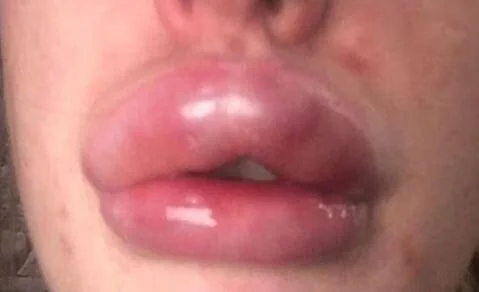
Duck Lips & Overfilled Trends: A Baltimore City Lip Filler Reality Check