In Towson, MD, women can find specialized weight loss programs tailored to their unique needs, focusing on holistic health. These programs offer personalized plans considering weight goals, health, lifestyle, and preferences. With expert guidance on nutrition, exercise, and mental well-being, women can achieve sustainable results and improved health. Options include one-on-one counseling, group support, and specialized workshops to empower positive, lasting changes.
Understanding the Unique Weight Loss Needs of Women
Biological Factors Impacting Weight Loss
Women face several biological factors that can affect their weight loss journey. Hormonal fluctuations during menstrual cycles, pregnancy, and menopause may alter metabolism and appetite, complicating efforts to lose weight. These hormonal shifts necessitate tailored weight loss programs to address these unique challenges effectively.
The Role of Metabolism in Weight Loss
Metabolism plays a crucial role in the weight loss journey. Women generally have a higher proportion of body fat to muscle than men, affecting their metabolic rate. Understanding this can help design effective weight loss programs that promote building muscle mass to enhance metabolism and support weight loss.
Importance of Emotional Well-being
Emotional well-being is often intertwined with women’s weight loss efforts. Stress, anxiety, and other mental health factors can contribute to weight gain and hinder weight loss progress. Incorporating mental health support in weight loss programs can be beneficial in adopting healthy habits and achieving a healthy weight.
Evaluating Commercial Weight Loss Programs
Not all commercial weight loss programs are created equal. It’s important to select a program that understands women’s specific needs, such as the Mayo Clinic Diabetes Diet, which emphasizes sustainable lifestyle changes. A weight loss program should focus on long-term health benefits rather than quick fixes.
Embracing Healthy Habits
To maintain weight loss and achieve a healthy weight, it’s essential to embrace healthy habits. This includes a balanced diet, regular physical activity, and sufficient rest. Personalized weight loss programs can guide women in incorporating these habits into their daily routines, ensuring that any excess weight is kept off for good.
Designing Personalized Weight Loss Plans for Women in Towson MD

Assessing Medical History and Risk Factors
A successful weight loss program begins with understanding an individual’s medical history and risk factors. Women in Towson, MD can benefit from assessments that help tailor diet and exercise plans according to their unique health needs, ensuring the weight loss plan is safe and effective.
Combining Medical Weight Loss Programs and Lifestyle Habits
Medical weight loss programs can be integrated with changes in lifestyle habits to promote substantial and lasting weight management. By focusing on a balanced approach that incorporates both medical guidance and everyday behavior modifications, women can lose excess weight and maintain long-term results.
Nutrition and Healthy Eating for Weight Loss
Healthy eating is a cornerstone of any effective weight management strategy. Incorporating the principles of the Mediterranean diet or the Mayo Clinic diet can enhance nutritional quality. By prioritizing whole foods, healthy fats, and a balanced intake of protein and carbohydrates, women can embark on a healthier life journey.
Creating Custom Diet Plans
Registered dietitians play a crucial role in designing diet programs tailored to individual eating habits and preferences. Recognizing the importance of a personalized approach, these experts can guide women toward making modifications that align with their lifestyle, promoting steady weight loss.
Understanding Weight Loss Medications and Supplements
For some, weight loss medications can be an effective complement to traditional diet and exercise efforts. It is essential to evaluate these options carefully, in consultation with healthcare providers, to determine their suitability and safety as part of a comprehensive weight loss strategy.
Incorporating Physical Activity and Exercise
Regular physical activity is key to rapid weight loss and maintaining weight loss success. Exercise routines should be crafted based on personal interests and physical capacity, ensuring they are enjoyable and sustainable. This promotes an active lifestyle vital for ongoing weight management.
Providing Ongoing Support and Counseling
Many weight loss programs prioritize ongoing support as women work to lose excess weight. Counseling and support groups can offer motivation and accountability, helping participants navigate challenges and adjust their strategies to prevent weight regain.
In sum, by crafting a comprehensive and individualized weight loss plan, women in Towson, MD can achieve their health goals, moving toward a more balanced and fulfilling lifestyle.
Balancing Hormonal Health Through Tailored Weight Loss Programs

Understanding Hormonal Imbalance and Weight Loss
Hormonal imbalances can significantly affect weight management efforts in women by influencing appetite, metabolism, and fat storage. Recognizing these challenges, a comprehensive program focuses on addressing hormonal health as part of its weight loss strategy.
Role of a Registered Dietitian
A registered dietitian can tailor nutritional plans to manage hormonal imbalances effectively. By assessing food preferences and emphasizing nutritional value, dietitians ensure that the dietary approach is both sustainable and beneficial, assisting in maintaining balanced blood sugar and stable blood pressure levels.
Significance of Nutritional Value and Food Groups
Understanding the nutritional value of different food groups is crucial for effective weight loss plans. Programs often incorporate meal replacements and refined eating patterns to ensure that dietary choices support hormonal health and weight loss goals.
Insights from Medical Research
Medical research, including randomized controlled trials, supports the role of tailored dietary and exercise programs in improving overall health and managing weight. Such programs may include educational resources that highlight the importance of maintaining a balanced diet and exercise routine.
Addressing Health Problems and Individual Needs
By evaluating medical history and current health problems, weight loss programs can be personalized to meet each individual’s starting weight and health objectives. Interventions might include personalized counseling from a personal coach or exploring medical options like bariatric surgery for those with specific needs.
Providing Comprehensive Support
Balancing hormonal health requires a holistic approach that combines human services and community support. Continuous access to educational resources, personal coaching, and group support can assist women in achieving their overall health goals, empowering them to adopt changes that enhance well-being.
Addressing Women’s Nutritional Requirements for Sustainable Weight Loss

Creating an Effective Eating Plan
To achieve sustainable weight loss, it is paramount to develop an eating plan that seamlessly integrates with a woman’s lifestyle. This involves learning to plan meals ahead of time to avoid the pitfalls of quick fixes that often lead to temporary results. By prioritizing a lifestyle approach, women can incorporate healthy patterns into their daily routines, focusing on long-term success rather than short-term gains.
Key Features of Meal Plans
Meal plans designed for weight loss should emphasize balanced nutrition, including essential food groups such as whole grains, lean proteins, and a variety of fruits and vegetables. A systematic review of dietary habits can help identify necessary adjustments while allowing women to enjoy their favorite foods in moderation. This ensures the meal plan remains appealing and manageable, reducing the temptation to abandon healthier choices.
Addressing Health Concerns
A comprehensive meal plan can aid in managing and even preventing health issues like heart disease by incorporating heart-healthy foods and reducing risks associated with poor dietary habits. By making deliberate lifestyle changes, such as cutting calories in a controlled manner and increasing physical activity, women can foster a healthier environment for weight management.
Supporting Long-Term Success
Long-term success in weight loss is supported by consistently implementing meal plans and making gradual lifestyle changes. This involves evaluating the current diet through a systematic review and making necessary adjustments to promote continuous improvement. By creating an eating plan that accommodates personal preferences and health goals, women can achieve a sustainable weight loss journey.
Combining Fitness and Wellness for a Holistic Approach

Integrating Fitness into Daily Routine
A successful weight loss program emphasizes not only a healthy diet but also the integration of consistent physical activity into daily life. Instead of relying on quick fixes, adopting exercises that are enjoyable and fit individual lifestyles can promote weight loss effectively. Activities like walking, cycling, or yoga can easily become part of a daily routine, helping to maintain a healthy weight.
Building Sustainable Eating Habits
Eating habits play a crucial role in achieving and sustaining weight loss. A healthy diet plan should incorporate diverse food groups, including the Mediterranean diet and zero-point foods, which are known for their nutrient-rich profiles and beneficial effects on health. Shifting away from restrictive diet plans towards those that encourage balanced nutrition helps in developing sustainable eating habits essential for long-term success.
Importance of a Balanced Diet Program
A well-rounded diet program is integral to the best weight loss programs. It focuses on gradual change rather than drastic alteration of lifestyle. Personalized diet plans can cater to individual needs, promoting both physical and mental wellness. By prioritizing balance over restriction, these programs encourage participants to enjoy their meals while working towards their health goals.
Benefits of a Comprehensive Weight Loss Program
When fitness and wellness are combined, it results in a comprehensive approach to losing weight. Such weight loss programs provide structured guidance and support to ensure that individuals do not only lose weight but also maintain their progress. This holistic strategy helps in crafting a lifestyle change rather than a temporary solution, contributing to a healthier, more balanced way of life.
The Role of Mental Health Support in Women’s Weight Loss Journeys

Understanding the Connection Between Mental Health and Weight Loss
Mental health plays a significant role in a woman’s journey to lose weight, affecting motivation, consistency, and overall success in adhering to a weight loss program. Emotional and psychological well-being can influence eating patterns, impact the motivation to engage in regular physical activity and affect the development of healthy habits. Recognizing this connection is crucial for crafting effective strategies that support sustainable weight loss.
Mental Health Challenges and Their Impact on Losing Weight
Many women face mental health challenges such as stress, depression, or anxiety, which can adversely impact their efforts to lose weight. These challenges may lead to emotional eating, disruptions in healthy eating patterns, and decreased interest in physical activity, which can all hinder progress in a weight loss program. Addressing these mental health aspects is essential for overcoming barriers to weight loss.
Integrating Mental Health Support into Weight Loss Programs
To facilitate effective and sustainable weight loss, integrating mental health support into medical weight loss programs is essential. This support can include counseling services, support groups, or resources focused on stress management and emotional regulation. By providing mental health support, these programs help individuals develop coping mechanisms and resilience, which can enhance their ability to maintain healthy habits and achieve long-term health benefits.
Benefits of a Holistic Approach to Weight Loss
A comprehensive weight loss program that includes mental health support not only assists women in managing their weight but also promotes overall well-being. By addressing both physical health, such as controlling blood pressure through regular physical activity and healthy eating patterns, and mental health, women can experience a more balanced and fulfilling journey to losing weight. This holistic approach empowers women to achieve not only their weight loss goals but also a healthier, more balanced lifestyle.
The Benefits of One-On-One Counseling in Women’s Weight Loss Programs

Personalized Guidance and Support
One-on-one counseling provides women with tailored advice and support that is specifically designed to meet their individual needs and preferences. This personalized approach helps in identifying specific challenges and barriers they may face during their weight loss journey. With the guidance of a counselor, women can develop customized strategies and set achievable goals that align with their lifestyle and personal health objectives.
Building Accountability and Motivation
A significant advantage of individual counseling sessions is the establishment of accountability. Women often find that having regular check-ins with a counselor helps them stay on track and remain committed to their weight loss goals. Counselors can provide motivation and encouragement, helping women maintain a positive outlook and overcome any setbacks they may encounter along the way.
Developing Coping Strategies
One-on-one counseling can also aid women in developing effective coping mechanisms to manage stress, emotional eating, and other psychological factors that can impede weight loss progress. Through these sessions, women can explore the underlying emotional and behavioral patterns that influence their eating habits and work towards developing healthier responses.
Enhancing Self-Esteem and Body Image
Counseling can play a pivotal role in boosting self-esteem and improving body image, critical components in a sustainable weight loss journey. By addressing and reshaping negative thought patterns, counselors help women cultivate a positive self-image and a healthier relationship with their bodies, which is instrumental in achieving long-term success.
Encouraging Lifestyle Changes
With the support of a counselor, women are more likely to make and sustain healthy lifestyle changes. These sessions often include guidance on nutrition, exercise, and mindfulness techniques, all of which contribute to a holistic and sustainable approach to weight management. By fostering a supportive environment, counseling empowers women to make informed choices that enhance their overall well-being.
Customizing Fitness Routines for Women’s Individual Goals

Understanding Personalized Fitness Needs
When crafting a fitness routine, it’s essential to recognize that each woman’s body and fitness objectives are unique. Tailoring a program that aligns with individual goals not only helps to lose weight but also promotes long-term health benefits. A personalized fitness plan takes into account factors such as current fitness level, medical conditions, and lifestyle preferences, ensuring a more enjoyable and effective weight loss journey.
Incorporating the Right Exercises
Selecting the appropriate exercises is crucial in any weight loss program, especially when aiming to achieve specific fitness goals. Cardiovascular activities, such as running or swimming, are excellent for burning calories and promoting weight loss. Strength training exercises help to build muscle, enhancing metabolism even at rest. A balanced routine that includes a variety of workouts can effectively support weight management and contribute to a healthier eating pattern.
Setting Realistic and Achievable Goals
A successful fitness regimen is built on setting realistic, achievable goals that motivate rather than overwhelm. Short-term objectives can provide quick successes and encourage persistence, while long-term goals solidify a comprehensive approach to a lifestyle change. Goal setting plays a pivotal role in medical weight loss programs, helping women transition from a quick fix mindset to sustainable weight management solutions.
The Role of Nutrition and the Mayo Clinic Diet
Nutrition is a foundational component of any effective weight loss program. The Mayo Clinic Diet emphasizes healthier eating patterns by incorporating nutrient-rich foods and portion control. Integrating this diet into a fitness plan can amplify efforts to lose weight, ensuring that the body receives the essential nutrients needed for energy and recovery. Combining tailored fitness routines with sound nutrition strategies promotes a balanced approach to achieving and maintaining desired weight objectives.
Tracking Progress and Making Adjustments
Regularly tracking progress is vital for adapting fitness routines to better meet women’s individual goals. Monitoring improvements in strength, endurance, and overall wellness can highlight necessary adjustments, ensuring continued progress and motivation. A holistic fitness plan that includes periodic reassessment and fine-tuning fosters an environment where health and fitness become a sustainable part of life rather than a temporary quick fix.
The Importance of Self-Care in Women’s Weight Loss Journeys

Prioritizing Mental and Emotional Well-Being
In weight loss journeys, self-care is critical not just for physical health, but also for mental and emotional well-being. Women need to take time for activities that reduce stress, foster joy, and provide relaxation. Practices such as meditation, yoga, or spending time in nature can help cultivate mental resilience and emotional balance, which are essential components of a sustainable weight management plan.
Promoting a Positive Mindset
A supportive, self-caring attitude plays an integral role in motivating women to achieve their weight loss goals. Positive self-talk, affirmations, and gratitude practices can help shift focus from limitations to possibilities, encouraging a constructive outlook toward health and body image. When women embrace self-care as a daily practice, they’re better equipped to meet challenges with strength and optimism.
Establishing Healthy Boundaries
Setting boundaries is a form of self-care that can greatly impact weight loss success. This includes learning to say no to activities or environments that do not align with personal health objectives and prioritizing time for exercises and meal preparations. By creating a dedicated space for nourishing activities, women can better maintain their focus on both their well-being and weight management goals.
Avoiding Burnout and Overwhelm
The journey to weight loss can be intense and demanding. Hence, integrating self-care routines can help prevent burnout and overwhelm. Taking regular breaks, listening to one’s body, and ensuring adequate rest and sleep are crucial self-care strategies that prevent fatigue and keep energy levels high.
Strengthening the Mind-Body Connection
Self-care reinforces the connection between mind and body, allowing women to better understand their unique needs. Practices such as mindful eating and body scanning can help women tune into physical sensations, hunger cues, and emotional needs, promoting a harmonious relationship between mental and physical health. This strengthened connection aids in creating a more intuitive and balanced approach to weight management.
Meeting Women’s Nutritional Needs for Lasting Weight Loss Success

At
Body Scientific Aesthetics, we understand that embarking on a weight loss journey can be challenging. That’s why our medical weight loss program in Towson, MD, is designed to provide you with the personalized support you need to achieve your goals effectively and sustainably. Our program inspires smarter choices, saves you money, and fosters long-term success by tailoring a weight loss plan specifically to your needs. We invite you to take the first step towards a healthier, more fulfilled life.
Contact us today and let our professional team guide you on an effective and empowering path to transformation!


Chemical Peels for Hyperpigmentation in Melanin-Rich Skin: What to Know

Med Spa Near Me in Baltimore County: How to Match Your Goals to the Right Treatment
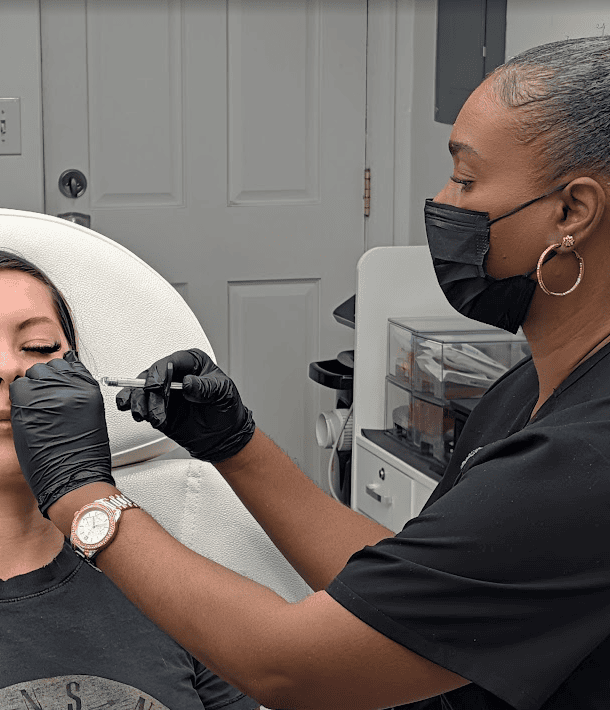
$9 Botox in Baltimore County: What Per-Unit Pricing Really Means
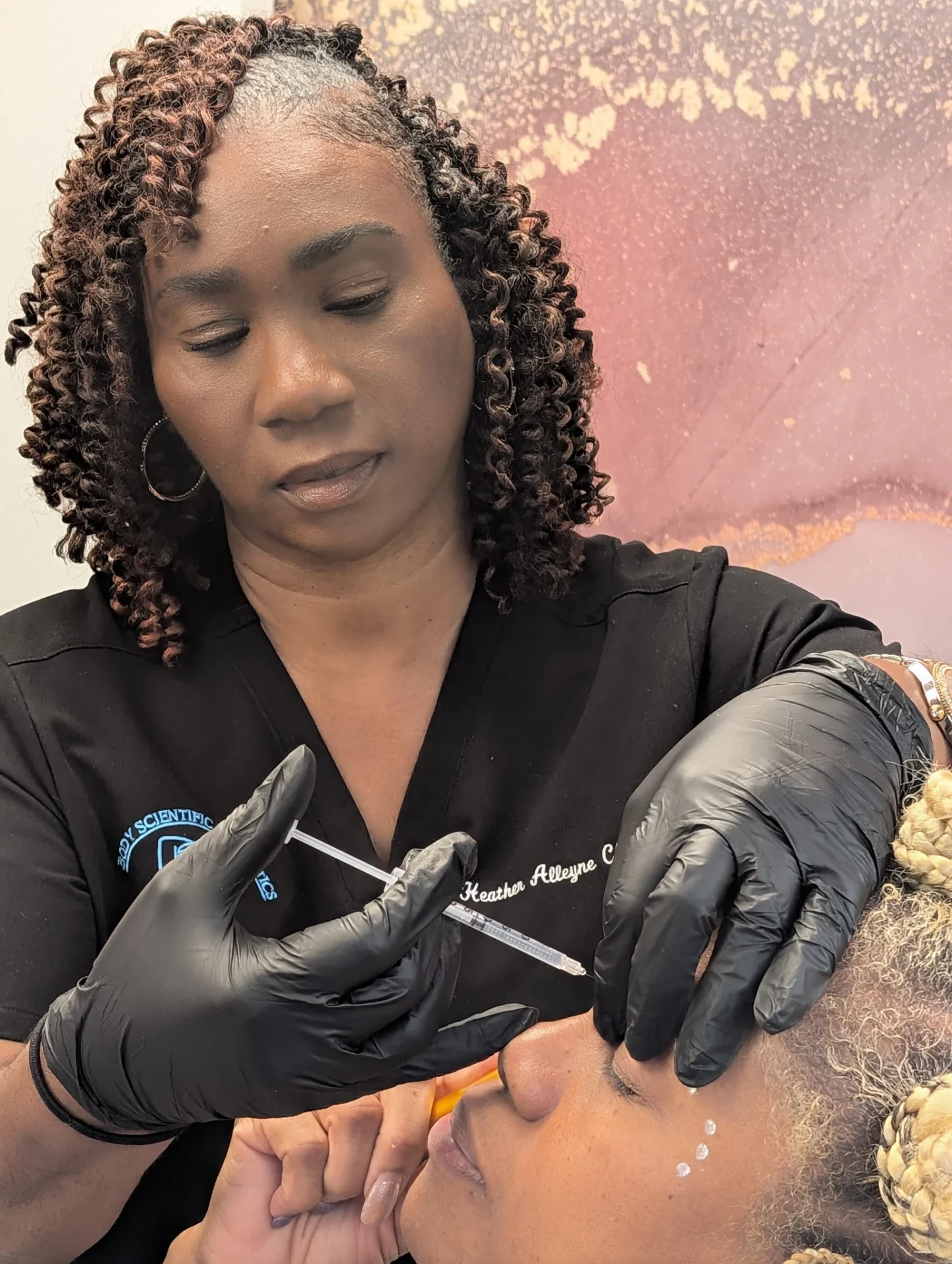
Searching for Botox Near Me? Discover Xeomin in Timonium and Baltimore County
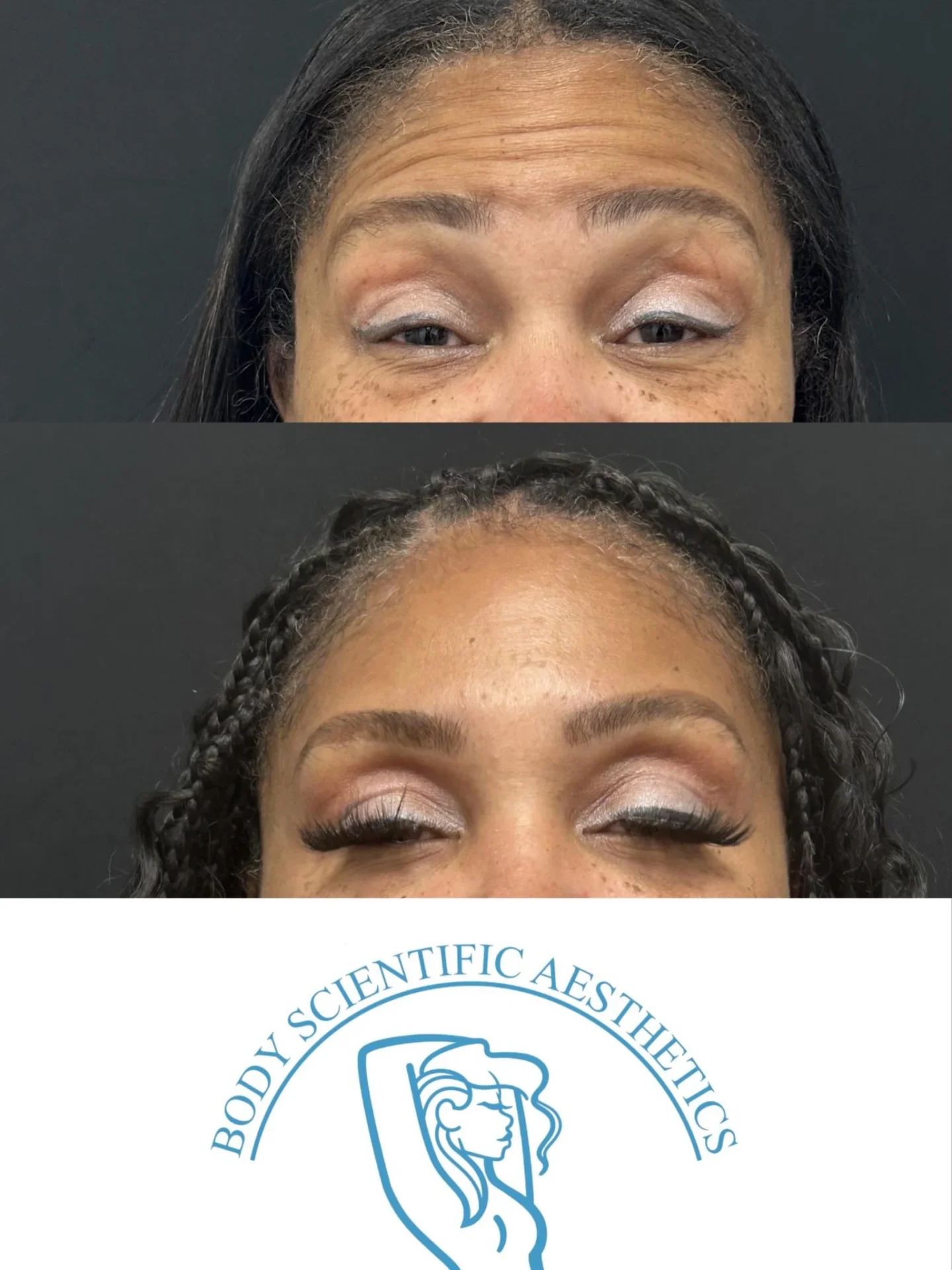
Wrinkle Prevention in Towson and Baltimore: Help Stop Wrinkles Before They Deepen
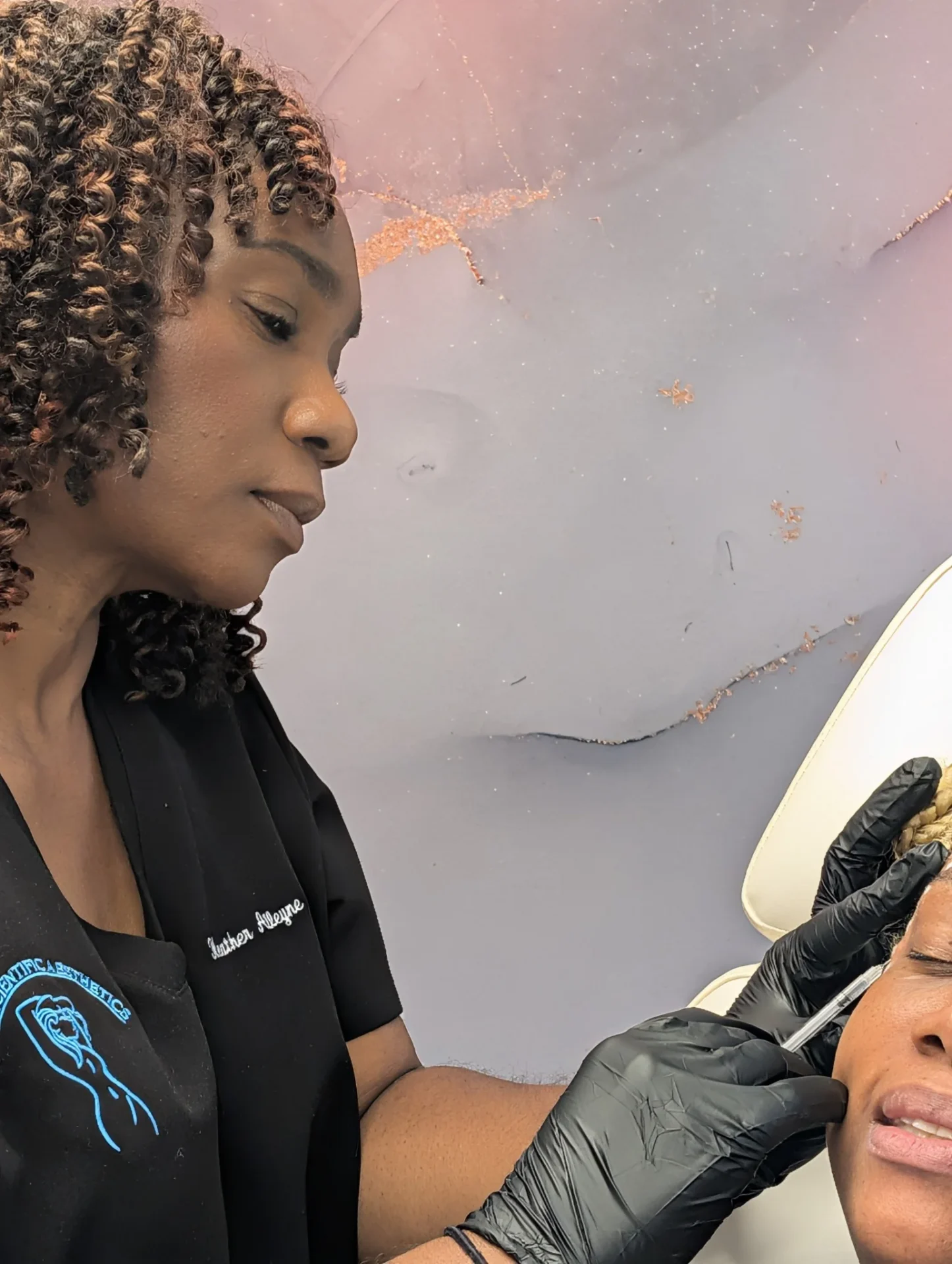
Neuromodulator Resistance and Botox in Timonium, Baltimore County
What to Expect from a Botox Consultation in Baltimore County, MD
Botox in Timonium & Baltimore County, MD: Natural-Looking Results at Body Scientific Aesthetics

Duck Lips & Overfilled Trends: A Baltimore City Lip Filler Reality Check